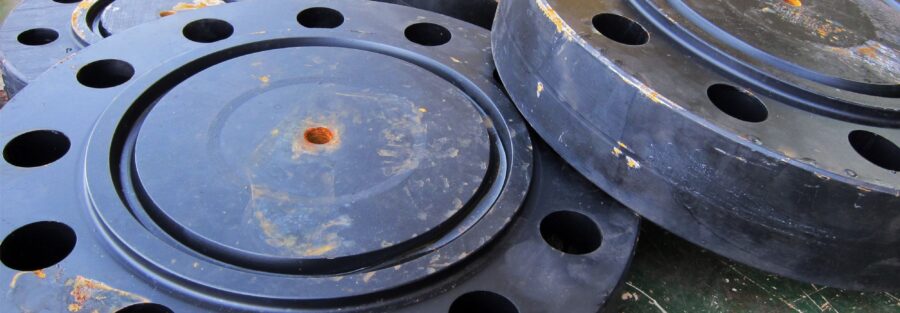
Where are Blind Flanges Most Commonly Used?
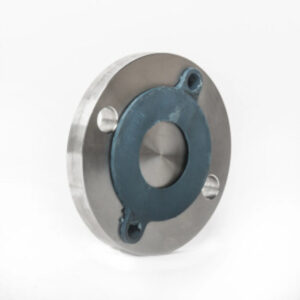
In general, the blind flange can have a raised face, a ring joint face, or a flat face. If it has a raised face, we would propose a standard ring gasket suitable for the servicing and/or test. The most common reason a flange may be flat faced is because it was not built to withstand the bending pressures that would come from using a ring gasket or raised face flange.
Also, the blind flange is being used to blank off the end of piping, valves, and pressure vessel openings, similar to a plug or cap. It can be made of cast iron, forgings, specific plates, or flat bars. Unlike a welded cap, the blind flange allows easy access to the inner of a vessel or pipe because it is bolted. Besides that, they are the most stressed of all standard flange types in addition to the internal pressure as well as bolt loading, especially in large sizes.
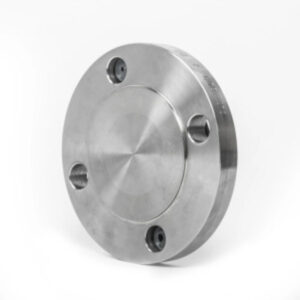

Benefits of choosing Blind Flanges
Blind flanges are crucial components in pipelines, offering several benefits:
Closure and Isolation:
One of the primary functions of a blind flange is to seal off the end of a pipeline. This prevents the flow of fluids or gases through that particular section, allowing for maintenance, repairs, or inspections to be carried out downstream without affecting other parts of the pipeline.
Safety:
By providing a secure closure, blind flanges enhance safety by minimizing the risk of leaks, spills, or accidents during maintenance activities or shutdowns. This is particularly important in industries dealing with hazardous materials or volatile substances.
Pressure Testing:
Blind flanges are often used during pressure testing of pipelines. By closing off the end of the pipeline with a blind flange, pressure can be applied to the system to check for any leaks or weaknesses in the piping infrastructure before it is put into service.
Temporary Blockage:
In situations where a section of the pipeline needs to be temporarily blocked off, such as for maintenance work or equipment installation, blind flanges can be quickly installed and removed as needed, providing a temporary blockage solution without the need for permanent modifications to the pipeline.
Flexibility and Versatility:
Blind flanges come in various sizes, materials, and pressure ratings, making them versatile components suitable for a wide range of pipeline applications. They can be customized to meet specific project requirements, ensuring compatibility with different pipeline systems.
Corrosion Resistance:
Depending on the material chosen for construction, blind flanges can offer excellent corrosion resistance, prolonging the service life of the pipeline and minimizing the need for frequent replacements or repairs.
Cost-Effectiveness:
Compared to other closure methods, such as welding caps or plugs, blind flanges offer a cost-effective solution for pipeline closure and isolation. They can be easily installed and removed without requiring specialized equipment or labor-intensive procedures, reducing downtime and associated costs.
Standardization:
Blind flanges are manufactured according to industry standards such as ASME B16.5 or API 605, ensuring compatibility and interchangeability with other pipeline components. This standardization simplifies procurement, installation, and maintenance processes, streamlining operations for pipeline operators.
In summary, blind flanges play a vital role in pipeline systems by providing secure closure, facilitating maintenance activities, ensuring safety, and offering versatility and cost-effectiveness across various industrial applications.